Showing posts with label natural pest control methods. Show all posts

Wednesday, June 10, 2015

Organic Tips for Keeping Harmful Bugs Out of Your Vegetable Garden

There's nothing more annoying than working for hours and hours preparing and planting your garden - only to have those annoying pests move in and destroy what you worked so hard to build! Insects can damage your plants within a matter of hours once they’ve found the fruits of your labor.

The best way to control these bugs is to keep them out of your garden to begin with. There are many pesticides that you can use to keep the bugs away, but you need to make sure they’re safe to use.

English: A ladybug, (Coccinella sp., probably ...
A ladybug eating aphids on a weed. (Photo credit: Wikipedia)
Some of the sprays can be harmful to the health of other animals and possibly small children. Even some organic insecticides aren't healthy for you to breathe in, so take care when applying these, even if they are all-natural - and don't use anything that's not marked "OMRI Certified," or "Safe for organic gardening".

When getting rid of insects from your garden, you also want to make sure you don’t get rid of all of them, since there are some bugs that you actually want to keep in your garden.

Some of these helpful insects, such as ladybugs and spiders, feed on the annoying insects that damage your plants. They’re essentially the best bodyguards you could have for your garden.

In fact, one of the best ways to control the insects and pests that damage the plants in your garden is by allowing helpful buts in that will drive the harmful ones away - or eat them.

By planting inviting plants or “homes” for the helpful insects, you can keep the harmful ones at bay quite efficiently. Check with your local gardening center on which plants attract the good insects.

Another thing to keep in mind is to keep your garden clean. The harmful pests are often attracted to piles of leaves, and dense spots of weeds. These pests can thrive in those areas, so weed your garden regularly.

Some organic gardeners use a natural hot pepper wax that they lightly spray on the leaves of their plants. The oils from the spicy contents of this wax wards off the harmful insects and other pests as well.

The wax solution is safe for most plants and doesn’t affect the produce at all, so don’t worry about “spicing” up your vegetables. As long as you properly clean them before consuming them, you won’t notice any residue.

English: This Borage plant was part of the cro...
Borage. (Photo credit: Wikipedia)
There are some plants that give off a scent that repels harmful bugs and keeps them away from your precious produce. Such plants - like marigolds and the borage herb plant - are very effective at keeping those pests away from your tomato plants. Plant them nearby and watch your tomato plants grow to be healthy and robust.

Every gardener wants to see their garden thrive after putting a lot of hours of hard work and dedication into it. No one wants to see that labor go down the drain by losing their plants to those annoying pests that move into your garden.

Before planting your garden, do your research and find the best companion plants to repel the annoying pests, as well as the ones that invite the good insects in according to your geographic location.

Tuesday, June 11, 2013

Pest Control Tips for Organic Gardeners

This time of year garden pests can start to drive you crazy. How dare those little destructive pests think that the plants you worked so hard to get into the ground and tend are theirs too? The good news is that there’s a way to control those little pests without upsetting the balance of nature or harming anything. Organic gardening pest control is a necessary part of maintaining a sustainable and healthy organic garden.

Cover of "Your Organic Garden (A Rodale G...
Cover via Amazon
Organic gardening pest control begins before the plants even go into the soil. Preparing the soil properly will help repel pests and give your plants a good, healthy start so that they’re less susceptible to attacks from destroying insects and fungi.

Natural biological control consists of many items that you might already have around your house. Garlic, fish, rhubarb and tobacco are among the odoriferous things that you can use to repel pests. Others include oils such as vegetable and mineral oils, vegetable-based soaps and detergents and heat from chilies.

It’s good to remember that you should only use what you need to rid your plants of pests and infestations. Using sprays, even if they’re natural and environmentally safe, can sometimes harm the plants. Never spray your plants during sunny days. It might cause the leaves to burn and turn brown.

Your eyes are also good deterrents to keeping pests from harming your plants. If you see a caterpillar on a cabbage, simply pluck it off. Notice what’s around your plants. For example, if you see butterflies or moths flying around them, use an organic gardening pest control mixture that targets just those types of insects.

Insect pests love to find a wide swath of plants in one area of a garden, so practice diversity by inserting other types of plants in between. Your organic garden doesn’t have to be symmetrical and adhere to neat little “rows.” Crop rotation can also help confuse bugs by relocating their favorite plants to a different spot than they were last year, so hopefully they won't be able to find them.

Unidentified Chrysopidae (Green Lacewing) Imag...
Green Lacewing (Photo credit: Wikipedia)
Certain insects can also be your organic gardening friends. Use lacewings, bees, ladybugs and other friendly insects to keep detrimental pests out of your garden. It really works. Encourage tachanid wasps, which lay eggs on tomato horn worms. There are many friendly insects that can help you control pests naturally in your garden.

Experiment to see what works best for your organic garden. For example, if you mix a spray and use it only to find that the pests you were trying to target are returning, make it a bit stronger the next time.

Mildew, mold and fungus present a whole new set of problems than insects. Some plants are more prone to these conditions than others. For example, zucchini, cucumber and peas are very susceptible to mildew, but the problem can be eradicated with a cream milk spray - or choose varieties that are resistant to these problems.

Observe your organic garden carefully and don’t panic if you notice a problem with pests. Organic gardening pest control has come a long way and you can find many helpful suggestions online or from books and other resources.

Helpful Natural Pest Control Resources:
   
Enhanced by Zemanta

Thursday, July 26, 2012

How To Use Indicator Plants In Your Organic Garden

Even if you've been gardening for a while, it isn't all that surprising if you've never heard of "indicator plants." The study and use of these plants is still relatively new, and so far they are being utilized more in commercial operations than in people's gardens. But they might actually be helpful to you as well, in planning what sorts of plants you can grow in the soil of your own organic garden, and in keeping ahead of potential pests and infestations.

So first of all, just what are these plants, and what exactly do they indicate? There are a couple of different types of indicator plants, that perform slightly differently but serve similar purposes.

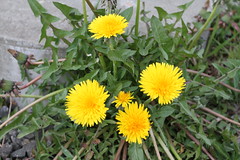
dandelions
dandelions (Photo credit: bob_jenkins)
First, there is the kind of plant that's actually closer to a weed, that grows only in certain types of soil or in the presence of specific minerals or nutrients. Things like dandelions can hint at clay soil, for example. Or certain attributes of the leaves or size of other plants show the presence of minerals or other things in the soil. Clues like this have been used throughout history to show where to find specific minerals. One such hint has been white patches on the leaves of plants, which often means there are deposits of nickel or cobalt below; some North American mines have actually begun when plants with these attributes were found growing on the surface.

So if you find certain types of weed growing in your garden, you may be able to conclude that you have the type of soil that would support them. Though spotting just one of these plants may be mere chance. However, encountering two of them – say, the dandelion mentioned above, along with chicory, which also needs clay soil – would make the "clay soil" conclusion a pretty safe bet.

When you watch for this type of indicator plant, it may reveal why other, more desirable plants are not doing well in the garden, if they need a different type of soil. Or it may help you decide which of your preferred plants to put into the garden if you don't plan to make changes in the soil.

English: Tibouchina urvilleana (insect damage ...
 (Photo credit: Wikipedia)
Another type of indicator plant is one that attracts the same sort of pests as your more valuable plants. These are especially useful if you're growing a high volume of a specific flower or vegetable. You can't inspect all of them to see if they've got mites, mealy bugs, and so on. But if you have another smaller set of plants nearby that attract the same sorts of pests as these, you can keep watch on them. If they become infested, then you know the larger plant population is in danger too. This can help you discover a problem with pests sooner, so you can take action much earlier to minimize the damage or even to save the other plants from a possibly fatal infestation.

Which types of indicator plants will reveal which specific problems is something you'll need to research yourself, because it will depend on the type of soil your garden has, and what types of plants you hope to put in the garden. But if you're looking for an early warning system for possible insects or soil problems, this type of plant may be a means of providing it for you.
Enhanced by Zemanta

Tuesday, June 12, 2012

The Importance of Natural Pesticides In Your Garden

If you're reading this blog, it's probably no surprise to you that chemical pesticides are an environmental and health hazard.  Large scale commercial farmers use chemicals to kill bugs that harm their crops.  While it’s understandable to want to protect crops and maximize production, it shouldn’t be at the expense of your health or our water supply.  The good news is there are sustainable practices to keep slugs and bugs and other unwanted pests off your garden fruits and vegetables. 

Make Your Own Natural Pesticides

* To combat caterpillars, aphids, and several types of worms, mix together a gallon of water and a cup of tobacco.  Allow the mixture to set for a day, until it resembles weak tea.  Spray on your garden vegetables.  However, steer clear of your peppers, tomatoes, eggplants, or any other member of the solanaceous family, as the tobacco spray can kill them.

English: Plate with various land slugs
Various land slugs (Photo credit: Wikipedia)
* To combat slugs and a number of other insects, mix together one minced garlic bulb, one minced onion, one quart of water, a tablespoon of cayenne pepper and a tablespoon of dish soap.  Spray veggies to protect against bugs. (For more recipes, check back Thursday.) 

Other garden pest deterrents include:

* Mechanical devices for soft-bodied pests.  Slugs and snails can destroy a garden faster than you can say slime.  However, there are a number of measures to get rid of them.  A pan of beer, copper wire, salt, egg shells, hair, and sharp rocks or shingles all deter or destroy slugs and snails without the use of chemicals.

* Carnivorous bugs.  Ladybugs are wonderful for your garden.  They eat aphids, scales, and mites.

* Finally, many plants work quite well to repel bugs from your garden.  Some examples include:
 - Marigolds repel nematodes, Mexican bean beetles, squash bug, thrips, tomato hornworms, and whitefly
 - Geraniums repel cabbage worms and leaf hoppers
 - Mint repels ants and aphids, and the cucumber beetle. 

What about chemical pesticides?

English: Environmental contamination with pest...
Environmental contamination with pesticides (Photo credit: Wikipedia)
Chemical pesticides (and there are well over 9,000 different acceptable pesticides approved by the FDA) have a number of health implications. 

* Pesticides can be carcinogenic
* Pesticides can cause infertility
* Pesticides can cause neurological complications
* Pesticides can cause birth defects

And a whole lot more. Scientists are only beginning to understand the level of contamination and how pesticides are affecting our health, the health of our children and our planet.  

Reduce or eliminate the damage pesticides can cause by buying organic whenever possible and by using natural pesticides when you grow your own fruits and vegetables.  No one likes a bug-infested garden; however, it takes just a few simple steps to send these bugs running for the high hills.

For 5 safe and natural home-made pesticide recipes you can make yourself to protect your garden, be sure to check back Thursday!


Enhanced by Zemanta

Saturday, August 6, 2011

Natural Insecticide Recipes

As promised, here are links to some natural insecticide recipes you can make yourself, at home, to control pests in your garden without using harmful chemicals. The first one offers two good recipes, and you may also wish to watch the video - the guy is a little goofy, but if you watch the whole thing (it's only about 6 minutes), it really does give you some interesting food for thought....

BEST RAW ORGANIC : ) | The BEST Natural Pesticide Spray For Your ...
First, an enjoyable video with Mike Adams regarding the “toxic” canola and soybean oil in pesticides. Then, scroll down to see one of the BEST NATURAL PESTICIDE SPRAY recipes that you can cheaply and easily make for ...
Publish Date: 06/29/2011 15:16
http://bestraworganic.com/the-best-natural-pesticide-spray-for-your-garden/

Homemade Pesticide Recipes
This is the safest natural pesticide for any home gardener and is effective on a variety of bugs and insects. Mix 3 tablespoons of liquid detergent into a gallon of water. Use in a sprayer bottle for houseplants. ...
Publish Date: 06/24/2011 21:27
http://www.flamencosessions.com/homemade-pesticide-recipes/

Natural Pesticides: Recipes & Tips : TipNut.com
Natural Pesticides: Recipes. Rhubarb Leaf Pesticide Spray. 1 cup rhubarb leaves 6.5 cups water 1/4 cup liquid dish detergent or soap flakes. Cover rhubarb leaves with water and bring to a boil. ...
Publish Date: 06/30/2009 11:50
http://tipnut.com/natural-pesticides/

Organic Pest Control Recipes - Natural Healthy Solutions
Organic pest control recipes and products don't contain chemical pesticides or man-made chemicals. They rely on natural ingredients that do not persist in nature the way chemical pesticides do. In fact, organic products ...
Publish Date: 07/28/2011 22:00
http://natureshealthysolutions.com/organic-pest-control-recipes/
Enhanced by Zemanta

Thursday, August 4, 2011

Making Your Own Natural Insecticides

Have you decided to go all natural?  All-natural diet, all-natural pet food, all-natural medicines, natural insect control, and all-natural gardening have become the wave of the present and future.  Many people think something is new just because it hasn't been in the spotlight.  But natural alternatives have been around for years.  They just didn't receive much press because in our whirlwind daily lives, we have often chosen convenience over safety.  Nowadays, though, we are finding that that convenience can be damaging to our environment.

Fly PoisonImage by BlueRidgeKitties via FlickrConvenience has hurt our rivers and roadsides because of packaging being tossed away carelessly.  Convenience has hurt our family time because of lost time preparing food, eating at the family dinner table, and gardening together.  Convenience has hurt our ozone layer.  This doesn't mean convenience is bad; it is what you make it.  If you allow anything to take over your life it can turn into a negative.

Natural insecticides take a little more effort to use if you make them yourself.  They take a little more time because they can require multiple uses and degrade quicker.  But the rewards you reap from preparing your own natural insecticides can be great. You can join people in discussions on the internet about organic gardening and natural insecticides.  You can increase awareness of the benefits so that others are prompted to engage in the use of natural insecticides.  You can help promote a healthier world, a healthier family life, ways to make the most out of your garden and landscaping.  You can even save money by making your own natural insecticides.

There are rules to follow, of course, like mixing properly.  If you mix the wrong ingredients you could either cause more harm or even be wasting your time if the items use cancel out each other's effectiveness.  You should understand how to use what you make, how much is safe, what plants or insects will be affected in a negative way so as not to harm the good ones, how to avoid foaming, how to store and for how long.

neem flowerImage by tonrulkens via FlickrPrevention is always best.  But because it isn't always possible, taking safe alternatives to treatment is the next best thing.  People have become disgusted with rising prices, so they decide they can do better if they just make their own products.  This can be a good thing or a bad thing.  If you don't research and educate yourself, you could be doing more harm than good.  Some mistakenly assume that natural means safe, and they neglect to learn about the effects and proper uses of natural insecticides.

Cooking is a way to kill harmful bacteria in some instances.  But the heat from cooking can destroy the active ingredients of some of your homemade insecticides.  Also, the water you use can destroy the effectiveness.  If you have hard well water, there may be certain minerals that cause a problem. Chlorine may also pose an issue. So, if you decide to make your own, know how to prepare them properly.

Be sure to check back on Saturday for some natural insecticide recipes you can make yourself. (Or visit http://www.newholisticliving.com/sustainablegardening.html for more information about gardening organically and sustainably.)

Enhanced by Zemanta

Saturday, July 16, 2011

Video - Organic Pest Control Options

Here is a pretty good video interview with the editor of Organic Gardening magazine, detailing a number of different options for keeping pests from destroying your organic garden. I may have to try a few of these, but the problem is knowing which one....right now I am stumped.... Something is eating just about every plant in my garden (around the edges of the leaves), but I can't see the culprit! I have looked and looked, morning, and evening, and I see no bugs, no caterpillars, no worms, no webs, no droppings - nothing - just gnawed plants....  The only things that seem okay right now are the gladiolas, the moonflowers, and the tomatoes.  Ahhh, the trials of an organic gardener!  :-)

Anyway, enjoy the video, and some of the suggested resources are also offered below the video.

Organic pest control - Natural bug and insect repellents
www.howdini.com Organic pest control - Natural bug and insect repellents When it comes to insects in your garden, it's a bug eat bug world, so don't panic. Some bugs are good for plants. But how to control the bad ones without chemicals? Here's great...


Organic Pest Control Options Mentioned in the Video:
   
Enhanced by Zemanta

Saturday, July 2, 2011

Keeping Mosquitoes Out of Your Summer Garden

Our summer gardens are filled with all kinds of pests at one time or another. One pest that has potentially nasty health consequences to many species that may be welcome additions to your summer garden habitat is the very unwelcome mosquito. Keep reading to discover steps you can take to keep mosquitoes from invading your personal space and keep friends, families, and animals safe and protected in your summer garden, without using toxic chemical sprays.

Culex mosquitos (Culex quinquefasciatus shown)...Image via WikipediaOne way to minimize your exposure to mosquitoes is by minimizing their ability to procreate. They must lay eggs in still water in order to breed and you can remove as many sources of potential breeding ground as possible by keeping your lawn and summer garden area free of any debris that will allow even a minimal amount of standing water to collect after a rainfall. This means you must keep your gutters clean and free of debris, and make sure all cans and bottles are picked up and placed inside a garbage can that is lidded. Keep lids on garbage cans at all times, and change animal bowls daily.

Burn citronella oil. This is highly effective at dusk when the mosquitoes seem to be at their worst as it not only provides a natural repellant for mosquitoes so that you can enjoy your summer garden a little better but also because it provides its own mood setting light that is well suited for enjoying in a summer garden environment. In addition to the oil you can also choose to burn citronella candles and use repellants that are created to spray or rub onto the skin using natural ingredients for added protection for you and your children from these dangerous pests.

It is also possible to find natural garlic based mosquito repellants that are highly effective at making your garden inhospitable to mosquitoes, fleas, and ticks. This is a little different than citronella as it is applied to your lawn and garden area rather than burned or applied to the skin.

Another thing you can do to make your garden inhospitable to mosquitoes is to fill it with creatures that prey on mosquitoes. There is nothing like a bigger fish in the sea to run the smaller fish to different hunting grounds! Plant trees, shrubs, and bushes that attract the birds that eat mosquitoes. This will provide plenty of nutrition for these birds while diminishing the mosquito population one snack at a time. Purple Martins are well known for eating mosquitoes and a great addition to any summer garden (though not for this reason alone). (Bats also love snacking on mosquitoes at dusk!)

Variegated lemon thyme.Image via WikipediaPlant lemon thyme in your summer garden. If you crush the leaves it is believed to be an effective repellent for mosquitoes. Choosing this plant for your garden can help you naturally repel mosquitoes without smelling bad in the process, which is something that most rubs, sprays, and oils cannot always claim.

Mosquitoes can be a huge problem in summer garden areas largely due to increased fears of West Nile Virus and other diseases they may carry from one person to the next. For this reason it is now more important than ever to control the population and limit our exposure to these harmful insects. Most of us wish to do this without adding new risks due to chemical exposure. Hopefully this article has given you plenty of natural alternatives to consider when it comes to controlling the mosquito population in your summer garden.
Enhanced by Zemanta

Thursday, December 9, 2010

Natural Pest Control for Indoor Plants

It is inevitable that insects or another infestation will make its way to your plants at one point or another.  If you are dealing with pests in your indoor garden you may want to find a natural way to eliminate them especially if you have young children or pets in your home.  There are ways to do this and most of them require ingredients that you can get at the grocery store.

When you find insects or another disease that is making your plant sick.  Isolate the plant immediately to prevent the problem spreading to the other plants inside your house.  Depending on the type of problem the solution will be different.

Aphids on a house plantImage via WikipediaIf your plants are being eaten by spider mites, you can eliminate the problem by making a solution of buttermilk and water.  Put the solution into a spray bottle, put the plant in the bathtub and give a thorough once over.  A mix of 50-50 is recommended, if this is too thick to use with the spray bottle, add more water for a thinner consistency.

You may be able to control aphids with a thorough washing of the plant leaves with water.  Another recommendation is to kill a couple of the aphids and leave them in the bottom of the pot.  They then emit an odor that lets the other aphids know that danger is near and they abandon the plant.  If this method is used, do it outside so they can find another home that is not inside yours.

The natural and organic methods available for the wide variety of problems your plant can encounter are too numerous to list.  These are the two most common pests, but with some research there is a natural solution to many more different insects or diseases that can affect a plant’s health.

(For some more ideas on sustainable gardening and natural pest control, visit http://www.newholisticliving.com/sustainablegardening.html.)
Enhanced by Zemanta

Sunday, July 4, 2010

Organic and Natural Garden Guide for Managing Garden Pests: Part 3

Welcome back!

Today we will wrap up this short series on organic pest control by discussing a few pests that are specific to certain plant types, and what you can do about them. (We’ll also provide a few specific product recommendations.)

Beside those most common pests which attack many kinds of plants, there are special pests for specific plants. Beans have pests of their own; so have potatoes and cabbages. In fact, the vegetable garden has many inhabitants. In the flower garden lice are very bothersome, the cutworm and the slug have a good time there, too, and ants often get very numerous as the season advances. But for real discouraging insect troubles the vegetable garden takes the prize. (Although, if we were going into fruit to any extent, perhaps the vegetable garden would have to take second place to the fruit garden.)

Holes in leaves caused by cabbage worms.
Cabbage Worms
Neem oil is the cabbage worms’ worst enemy, so if you spray them with it, they will be out of your garden in a jiffy. You can usually determine whether cabbage worms are in the garden if you find small green caterpillars and holes on the leaves of your plants. You can also pick them by hand if you are more courageous or if you don’t have neem oil handy at the time of infestation. (Try Green Light Organic Neem Concentrate.)

A common pest in the vegetable garden is the tomato hornworm. This is a Tomato Horn worm seen walking along a rock faceImage via Wikipedialarge yellowish or greenish striped worm with a spiked horn on its tail. Tomato hornworms strip the leaves from the plants, and also eat the young fruit. They are usually the same color as the plant, but are generally easy to spot as they are large, so if you see a lot of damage, look for these (they can completely destroy a tomato plant in just a few days, so if you do see a lot of damage, be sure you find the culprit quickly!). Since they are large and usually there are only a couple of them (at first), you can usually pick these by hand and dispose of them quickly.

A great, light green caterpillar is found on celery. This caterpillar may be told by the black bands, one on each ring or segment of its body.

The squash bug may be told by its brown body, which is somewhat flat and diamond-shaped, and by the disagreeable odor it makes when disturbed or killed. The potato bug is another fellow to look out for. It is a beetle with yellow and black stripes down its crusty back. The little green cabbage worm is a perfect nuisance. It is a small caterpillar and smaller than the tomato worm. These are perhaps the most common of garden pests.

Diatomaceous earth (a fine powder made of ground fossils) is an organic substance which may work well for controlling some of these.  This non-toxic powder may be sprinkled on and around plants, and is safe around pets. It works via mechanical means — it gets between the grooves of an insect’s body (or skin), and dessicates it rather quickly. However, it washes off easily, so will need to be re-applied after every rain, or until the problem is gone. (Be sure when using this that you wear gloves and avoid breathing it or getting it in your eyes; although it is non-toxic, it is highly abrasive, and may cause irritation or drying of the skin.) (Look for Food Grade Diatomaceous Earth. You may also want to check out GOING GREEN USING DIATOMACEOUS EARTH HOW-TO TIPS: An Easy Guide Book Using A Safer Alternative, Natural Silica Mineral, Food Grade Insecticide for practical consumer tips, recipes, and methods.)

There are many other kinds of pests that you can control in your garden given the right handy tools and knowledge on how to best eliminate them from your organic garden. For some great tips and recommendations, check out www.newholisticliving.com/sustainablegardening.html 

And be sure to check back next week for our next post  — we will cover some of the benefits of eating organically raised vegetables. Yummy!
Rose.
Enhanced by Zemanta

Tuesday, June 29, 2010

Organic and Natural Garden Guide for Managing Garden Pests: Part 2

Welcome back to our short series on controlling garden pests naturally!

If you have anything that stops your organic garden from yielding the best results, it is likely to be those pests that invade or surround your garden spot. Now, if you’re very determined in relation to controlling these pests and getting them out of your backyard for good, a number of resources is available so that you can be prepared and informed on the varied varieties of pests that could threaten your crop.

The difficult consideration about insect control is the fact that there are so many kinds of pests that might invade your garden patch; it will truly be rather a problem to remember them at once, so informing yourself well beforehand is really the only reliable way to gain enough knowledge on which pests to watch out for.
One of several most successful tactics of pest management is always to familiarize yourself with the more common bugs as well as critters. These enemies to the garden could really hinder the growth of your plants, but only if you let them.

The devices and implements utilized for battling plant pests are of two kinds:
(1) those which offer physical shelter to the crops;
(2) those which are applied to the plants and/or pests, in order to kill or else fend off the insects.

A mechanical device often used to shield brand new seedlings is a covered frame. It typically consists  of a wooden box, approximately 18 inches to 2 feet square and roughly eight high, enclosed by glass, protective cloth, mosquito net or mosquito wire. The 1st 2  coverings hold, obviously, the additional advantage of retaining heat and shielding from chill, which makes it feasible through their use to sow earlier than could be otherwise safe. These are utilized widely to get an extra early and sound start for cucumbers, melons as well as other vine veggies. They can also keep away a large number of pests.

Here are a number of common garden pests, and some recommendations (both mechanical and otherwise) used for diminishing their impact without the usage of harmful chemicals:

Colorado potato beetle (Leptinotarsa decemline...Image via WikipediaBeetles
You’ve got 2  options for beetles: manually eliminate them by hand or else spray them with insecticide which is poisonous to them. There are actually a number of natural pesticides on the store shelves at the present, which you may utilize to control these pests without damaging your family’s health (for some tips, visit our web page at http://www.newholisticliving.com/sustainablegardening.html).

If left untouched, beetles possess the capacity to bore scores of holes in your leaves and munch away on your plants over time, especially when their population expansion is unrestrained. The striped beetle eats tender melons and squash leaves. If you happen to notice your squash leaves riddled with holes, you could have striped beetles. They can be recognized by their dark colored bodies with gold stripes running end-to-end. Then again, beetles come in a variety of types, but the best remedy is normally one of these two approaches described above.

Aphids
You may often become aware of sticky communities of bugs in shades of scarlet or jade when you’ve got aphids in your garden. Fortunately, it is possible to simply remedy this via spraying with insecticidal soap or a comparable material. Aphids are probably common to just about every garden veggie one can possibly conceive of, therefore if you are growing veggies, you will be most likely to encounter these sticky organisms.

Cut Worms
If you observe crawling, dull caterpillars that are brown or gray in hue, then you may have discovered cutworms invading your garden!
Cutworm collar from toilet paper roll
However, because they tend to hide under  ground during the day and pop out to find food only at the hours of darkness, it could be tricky to spot them. An excellent technique to safeguard newly-set plants, for example cabbage or tomatoes, from the cut-worm, is to put stiff tin, cardboard or tar paper collars around the plants. These ought to be a couple of inches high and big enough to be placed around the stem and extend about an inch into the soil. (A terrific and cheap material you may use as collars, are empty toilet tissue rolls! If they’re too high, simply cut horizontally to preferred size with a pair of clippers or scissors. Gently situate around the plant, and press a little into the dirt.)

Garden Slugs
And also you have garden slugs, which can be awful and extremely harmful  pests. The slug will demolish just about every garden plant, whether it’s a flower or perhaps a vegetable. These lay a great deal of eggs within old rubbish piles, or underneath dried vegetation.  Slugs do more destruction in your garden than virtually every other single insect pest.  They might be hard to spot, because they habitually take cover slightly below the surface of the soil during the day. However, in most cases, they are going to hide very close to the plant they’ve been eating, and therefore if you see indication of slug damage, try probing under the exterior of the mulch, or particularly when there are also fallen leaves nearby. If you find slugs, the most effective way we have discovered to remove them is a nifty little product called Sluggo. Sluggo is OMRI certified for organic gardening, and works by attracting the slugs with natural bait, and kills them by the use of iron phosphate, a mineral that’s not dangerous for animals and humans. (I had hundreds of little slugs eating my own garden last season until I found this gem, and it did the trick!)

In the concluding part of this short article series on organic pest management, we are going to go over one or two more frequent pests which can plague specific kinds of crops, so be sure check back for this in a few days!

Rose.
P.S. For more recommendations, resources, and information on organic gardening as well as managing garden pests naturally, you can visit http://www.newholisticliving.com/sustainablegardening.html.
Enhanced by Zemanta

Friday, June 25, 2010

Organic and Natural Garden Guide for Managing Garden Pests: Part 1

While tending to my own garden plot, I have discovered that one of the most frustrating things that can happen to the gardener is to walk outside to check on the plants. It’s only a habitual walk to verify that your garden is thriving, but you find yourself seeing holes in all your plants which looked just fine merely hours earlier! The explanations for most plant-damaging blemishes are garden insects. A few of the main backyard pests are slugs, worms, caterpillars, birds, snails, and also the occasional gopher. Even though we can most likely never wipe out these vermin entirely, there are a number of methods that may help any garden flourish much more fruitfully, without adding harmful chemical substances to the soil, air, or food.
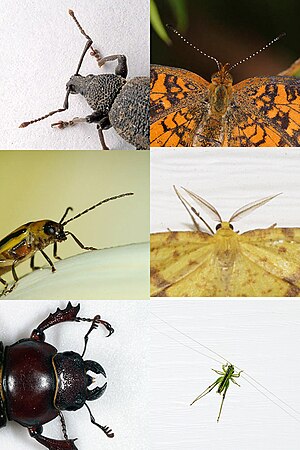
Comparison of insect antennae.Image via WikipediaInsect pests can be among the worst things to have in the garden plot; they can dwell beneath the topsoil, within dead unwanted weeds and heaps of leaves, or in a number of other areas. To help drive insects away, always try to  eliminate places within your garden and also in close proximity to the garden that these bugs and other plant disease might be living. Remove dead vegetation, weeds, or any other moldering material which bugs and diseases might be dwelling from the garden. (A properly tended compost pile is acceptable, although it will nonetheless be prudent to maintain this away from the primary gardening area.) Also, you might want to regularly turn over your garden soil and break apart the clumps of dirt so as to eliminate the homes of certain insects that might be hiding beneath the soil (hoeing your garden to get rid of unwanted weeds throughout the summer season will also help achieve this).

There are certain helps to keeping pests defeated. The constant mixing of  the earth by means of earthworms can be an aid to keep the soil open to air and water. Many of our ordinary birds feed upon bugs. Sparrows, robins, chickadees, meadow larks and orioles are all types of birds who assist in such a way. A number of insects feed on other damaging insects. Certain types of ladybugs do this beneficial deed. The ichneumon-fly helps also. Also toads can be wonders in the quantity of bugs they may eat in one single meal. The toad deserves exceptionally kind treatment from us all.

Every gardener should aim to build his or her garden patch into an area attractive to birds and toads. An adequate birdhouse, seeds strewn about in early spring, as well as a water pool, are invitations for birds to remain some time in your backyard (be aware on the other hand, that some types of birds could create issues, especially if you are cultivating berries or other fruit — see below for more regarding birds). If you would like  to encourage toads, you can actually make things better for them as well. Throughout a hot summer day toads like to hide in the shade. By night he is able to go off to find food (though not to kill, since toads favor live fare). How may one “fix up” for toads? One idea you can try is set up a silent, dim, damp sanctuary. Two or three rocks of some size under the shade of a bush, in addition to possibly a covering of moist vegetation, would seem exceptionally pleasant for a toad.

There are two general types of bugs which can cause issues for your garden patch. One sort chews at the plant and actually devours parts of it. This sort of bug carries a mouth fitted for this work. Grasshoppers and also caterpillars are of this type. Another kind sucks the juices from a plant. Plant lice go here (consider something similar to a mosquito, only they prey on plants rather than humans). Those we see tend to be green in color. But they are sometimes scarlet, yellow or brown. Lice can be simple enough to discover as they are always hanging on their host. Being sucking insects they need to stick close to a plant for food, and it may be simpler to find these. However the chewing insects perform their work, and go off and hide, which makes them more difficult to take care of.

The question you will need to ask yourself is, ‘How can I ascertain what insect could be doing the destructive effect?’ Well, you can judge partly from the damage left behind from the insect, and then partially by seeing the bug itself. This second object is not always very easy to accomplish. For example, you could have cutworms, and not even catch a glimpse of them. Nevertheless, you’ll be able to see what has been done to the crops. If stems of tender crops are cut clean off, one can be pretty assured a cutworm is abroad. What does it look like? Well, this is a hard question because his type is known to be a big one. Should you catch sight of a grayish striped caterpillar hiding in the dirt, you may know it may be a cutworm. However owing to its preference of resting in the dirt throughout the day and eating by nighttime, it is hard to catch a glimpse of one. (Keep your eye out for the next part of this series coming next week, when we are going to talk about how to deter the cutworm, along with other strategies of organic and natural pest management.)

One more pest issue you may have in addition to insects is birds. For those that have small fruit-bearing bushes, you might wrap these by means of bird netting, which may help. An additional solution which may help to keep the birds away from your garden is to place a bird feeder close by — out of the garden patch, but somewhat close by. Instead of costing you time and money by eating your crops, the birds will eat from the bird feeder. Although it may not entirely get rid of the bird problem, it may help the situation. Getting a dog may also help!

If you begin to see heaps of dirt around your yard, and your plants start unexplainably failing (or maybe even vanishing from top to bottom!), you may assume you have a gopher problem.

This could depend on the region where you are located, as certain areas are moreLine art drawing of a gopher.Image via Wikipedia prone to gopher infestation than the rest. Gophers are rodents which are five to fourteen inches in length. Their fur might be black, light brown, or white, and they have little tails. One approach to getting rid of these root-devouring pests could be to place traps. The key to effectively catching a gopher using a trap is usually to successfully locate the gopher’s tunnels and set the trap properly. A different way to remove them is to make use of smoke bombs, which you position into the tunnel and then the smoke spreads all through it and hopefully reaches the gopher.

If you suspect your gardens may be being pillaged by some of these pests I discussed, I urge you to definitely try your hardest to eradicate the problem as soon as you can. The more time you let the creatures stay, the more entrenched they’ll grow to be.

In our next blog, we will address some of the more common specific insect pests to infest your garden, and how to manage these without harming yourself or the environment, so be sure to check back for this next week!

‘Til then, happy gardening!
Rose.
P.S. For more resources and tools for managing your garden sustainably and organically, you can always visit: http://www.newholisticliving.com/sustainablegardening.html
Enhanced by Zemanta