Unlike other wildlife, amphibians are an excellent addition to your garden - even if you're growing vegetables for home use. Frogs and toads eat mosquitoes and other pests, and also provide a nice summery sound in your garden on warm evenings. Building a small pond or water feature can attract these creatures to your garden, so you can reap the benefits of beneficial wildlife in your garden, and also enjoy the pond without worrying about mosquitoes. Using these natural "tools" to keep pests in check is part of having a sustainable garden. Keep in mind that, as she mentions in the video, if you have fish in your pond, many of the amphibian offspring may not survive - that said, some probably will, so don't freak out if some of them disappear - it's all part of the cycle of life!
Wildlife Garden : Attracting Amphibians to a Garden
Attracting amphibians, like frogs, newts and toads, to a garden involves providing cool, damp shelters for the autumn and winter, and offering a pond in a sunny area for the spring and summer where they can raise their spawn. Create an amphibian habi...
A blog on organic and sustainable gardening, community supported agriculture, and other agriculture-related aspects of holistic living.
Showing posts with label Mosquito. Show all posts
Saturday, June 2, 2012
Video - Attracting Amphibians to Your Garden
Labels:
Amphibian,
Biodiversity,
Frog,
Garden,
Mosquito,
Pond,
Toad,
Water garden
Saturday, July 2, 2011
Keeping Mosquitoes Out of Your Summer Garden
Our summer gardens are filled with all kinds of pests at one time or another. One pest that has potentially nasty health consequences to many species that may be welcome additions to your summer garden habitat is the very unwelcome mosquito. Keep reading to discover steps you can take to keep mosquitoes from invading your personal space and keep friends, families, and animals safe and protected in your summer garden, without using toxic chemical sprays.
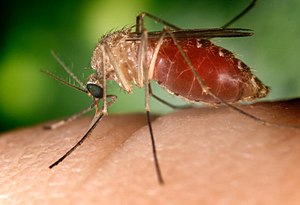
Image via WikipediaOne way to minimize your exposure to mosquitoes is by minimizing their ability to procreate. They must lay eggs in still water in order to breed and you can remove as many sources of potential breeding ground as possible by keeping your lawn and summer garden area free of any debris that will allow even a minimal amount of standing water to collect after a rainfall. This means you must keep your gutters clean and free of debris, and make sure all cans and bottles are picked up and placed inside a garbage can that is lidded. Keep lids on garbage cans at all times, and change animal bowls daily.
Burn citronella oil. This is highly effective at dusk when the mosquitoes seem to be at their worst as it not only provides a natural repellant for mosquitoes so that you can enjoy your summer garden a little better but also because it provides its own mood setting light that is well suited for enjoying in a summer garden environment. In addition to the oil you can also choose to burn citronella candles and use repellants that are created to spray or rub onto the skin using natural ingredients for added protection for you and your children from these dangerous pests.
It is also possible to find natural garlic based mosquito repellants that are highly effective at making your garden inhospitable to mosquitoes, fleas, and ticks. This is a little different than citronella as it is applied to your lawn and garden area rather than burned or applied to the skin.
Another thing you can do to make your garden inhospitable to mosquitoes is to fill it with creatures that prey on mosquitoes. There is nothing like a bigger fish in the sea to run the smaller fish to different hunting grounds! Plant trees, shrubs, and bushes that attract the birds that eat mosquitoes. This will provide plenty of nutrition for these birds while diminishing the mosquito population one snack at a time. Purple Martins are well known for eating mosquitoes and a great addition to any summer garden (though not for this reason alone). (Bats also love snacking on mosquitoes at dusk!)
Image via WikipediaPlant lemon thyme in your summer garden. If you crush the leaves it is believed to be an effective repellent for mosquitoes. Choosing this plant for your garden can help you naturally repel mosquitoes without smelling bad in the process, which is something that most rubs, sprays, and oils cannot always claim.
Mosquitoes can be a huge problem in summer garden areas largely due to increased fears of West Nile Virus and other diseases they may carry from one person to the next. For this reason it is now more important than ever to control the population and limit our exposure to these harmful insects. Most of us wish to do this without adding new risks due to chemical exposure. Hopefully this article has given you plenty of natural alternatives to consider when it comes to controlling the mosquito population in your summer garden.
Burn citronella oil. This is highly effective at dusk when the mosquitoes seem to be at their worst as it not only provides a natural repellant for mosquitoes so that you can enjoy your summer garden a little better but also because it provides its own mood setting light that is well suited for enjoying in a summer garden environment. In addition to the oil you can also choose to burn citronella candles and use repellants that are created to spray or rub onto the skin using natural ingredients for added protection for you and your children from these dangerous pests.
It is also possible to find natural garlic based mosquito repellants that are highly effective at making your garden inhospitable to mosquitoes, fleas, and ticks. This is a little different than citronella as it is applied to your lawn and garden area rather than burned or applied to the skin.
Another thing you can do to make your garden inhospitable to mosquitoes is to fill it with creatures that prey on mosquitoes. There is nothing like a bigger fish in the sea to run the smaller fish to different hunting grounds! Plant trees, shrubs, and bushes that attract the birds that eat mosquitoes. This will provide plenty of nutrition for these birds while diminishing the mosquito population one snack at a time. Purple Martins are well known for eating mosquitoes and a great addition to any summer garden (though not for this reason alone). (Bats also love snacking on mosquitoes at dusk!)
Mosquitoes can be a huge problem in summer garden areas largely due to increased fears of West Nile Virus and other diseases they may carry from one person to the next. For this reason it is now more important than ever to control the population and limit our exposure to these harmful insects. Most of us wish to do this without adding new risks due to chemical exposure. Hopefully this article has given you plenty of natural alternatives to consider when it comes to controlling the mosquito population in your summer garden.
Subscribe to:
Posts (Atom)

