Showing posts with label best herbs for beginners. Show all posts

Wednesday, August 6, 2014

4 Easy-to-Grow Culinary Herbs Ideal for Small Spaces

Fresh herbs are a great way to bring the flavors of your dishes to life. Unfortunately, they can be expensive to buy at the grocery store and they aren’t always in season. Although you can use their dried counterparts in your favorite recipes, they just don’t deliver the same flavor profile.  Fortunately, you can enjoy fresh herb flavor all year long and you don’t need a ton of space to do it.

If full-scale gardening isn’t your thing or if space is at a premium in your garden, you’ll want to get the most bang for your buck from your plant choices. Not only do you want to select herbs that are easy to grow, you’ll also want to select versatile options that pair well with a diverse selection of recipes. The following list of easy-to-grow culinary herbs can help you get started.

Here are 4 Easy-to-Grow and Versatile Herbs
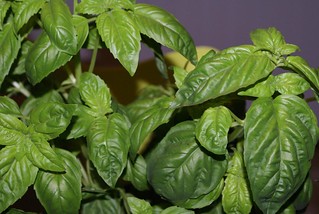
Basil
Basil (Photo credit: Skrewtape)
1. Basil. Basil tops the list because it is so versatile and is super easy to grow from seed. All you need is a small pot and sunny windowsill and you can have fresh basil at your fingertips all year long.

After all, what could be better than juicy tomatoes paired with fresh mozzarella and fresh-picked basil?  Top with a balsamic reduction, some good extra virgin olive oil, and a little salt and fresh-cracked pepper and you’ve got a delicious and easy lunch entrĂ©e or dinner salad.

Basil is also an important ingredient in fresh pesto recipes and it pairs beautifully with tomato-based pasta sauces. For a unique twist, add julienned basil and Brie cheese to sourdough bread for a fabulous grilled cheese sandwich.  If you want to get even more creative, plant a pot of purple basil to make a beautiful and delicious purple basil jelly.

English: Fresh Cilantro (Coriander) Deutsch: V...
Fresh Cilantro (Coriander). (Photo credit: Wikipedia)
2. Cilantro (Coriander).  This herb does double duty. The fresh leaves (cilantro) of young plants are a staple in Mexican cooking. Fresh cilantro is a key ingredient in homemade salsas and also adds a unique flavor dimension to salad greens. It can also be used in a wide variety of marinades for beef, chicken, pork and vegetables. It is especially well suited for marinating meats for fajita recipes.

Cilantro is also very easy to grow from seed. You can extend the life of your plant by keeping it plucked down and keeping it in cooler areas. In spite of your best efforts, however, it will eventually “bolt” to form lacy flowers that will set seeds that can be harvested. Those seeds can be lightly toasted and ground down to create coriander, which is much more mellow in flavor than its fresh counterpart and is a nice complement to many recipes.

English: Rosemary
Rosemary (Photo credit: Wikipedia)
3. Rosemary. Rosemary can also be started from seeds, but you may find it easier to pick up small plants from your local garden center each spring. They can then be brought indoors during cooler weather, but you will need to keep them moist and provide access to a sunny window, preferably with a southern exposure, * to keep them happy. If cared for properly, they will live for many years.

Not only is rosemary delicious in marinades for roasted chicken, pork, or beef, it also imparts a wonderful earthy aroma to roasted new potatoes and homemade focaccia bread.

Rosemary is also a very pretty plant with decorative appeal. It adds structure to the herb garden with its elegant upright growth habit. Plus, it can easily be shaped to look like a Christmas tree. As a result, rosemary makes a lovely hostess gift around the holidays.
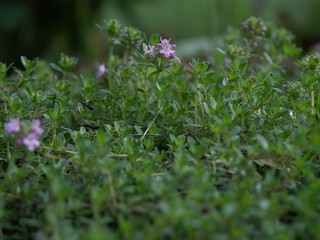
Thyme
Thyme (Photo credit: Erutuon)
4. Thyme. This is another classic culinary herb that is so easy to grow. Fresh thyme is a staple in many types of cuisine and adds a distinctive flavor to meat-based dishes and is wonderful in stews and soups, as well. For a special treat, grow lemon thyme to add an unexpected hint of citrus flavor to your dishes.

Another thing to love about thyme is its beauty. It has a beautiful growth habit that makes it ideal in pots next to taller herbs like rosemary. Use it outdoors to edge walkways and paths to add a fragrant element to your landscape.

Of course, these four easy-to-grow culinary herbs barely scratch the surface of what you can grow in a limited space. The herbs listed here are easy to grow and can be found in a diverse range of recipes, so not only will you enjoy growing them, you’ll love using them, too.

*Southern exposure in the Northern hemisphere.

Tuesday, March 6, 2012

All About Sage

Herbs are one of the best things to grow for new gardeners. Not only are most of them very easy to grow (most can be easily grow in pots on the windowsill, and some come back year after year with little encouragement), but they also have myriad uses both in cooking and around the home. One herb that is often forgotten, but can be very useful, and is easy to grow and with proper care may live many years, is sage.

English: Common sage Herb(Aomori.Japan)Image via WikipediaSage is a relative to the mint family. It is common for Sage to be ground, whole or rubbed but is generally sold in coarse crumbled dried leaves, or powder. Sage is grown in the United States but is also grown in Albania and Dalmatia. Sage is a very popular herb in the United States and is used quite frequently for flavoring such things as sausage, pork, lamb, and other meats, salads, pickles, cheese, and stuffing. The smell of Sage is very aromatic and distinct.

Sage loves to hang around in the kitchen with Thyme, Rosemary, and Basil. They work very well together. Sage is normally one of the main herbs in stuffing for poultry but is often added to lamb and pork dishes as well. Sage is very strong and should be used sparingly as a little goes a long way. Sage, like many other herbs develops its full flavor the longer it cooks and withstands lengthy cooking times which might be why it is so good when used in the stuffing for the Thanksgiving turkey that cooks for about five hours.

If you grow your own Sage you will find that all you have to do is snip off the tops of the plant with scissors and add it right to your favorite recipe. Sage is still at its best when dried but if you prefer just simply place the fresh Sage leaves in a baggie in the freezer and pull them out as required.

Today, Sage isn't used for many medicinal purposes anymore, but back in a different time Sage was used regularly to cure snake bites and was also used to invigorate the body and cleanse the mind. In the middle ages it was quite common for people to make a Sage tea and drink it for ailments such as colds, fever, liver trouble, and epilepsy.

Bouquet garni: thyme, bay leaves, sageImage via WikipediaAlthough there is nothing to solidify these claims it is also said that a chewed Sage leaf applied to a sting or an insect bite will reduce the sting and bring down the swelling. Sage tea has been said to soothe a sore throat and also help in drying up a mother's breast milk and also reduces blood clots. Further it has been known to help with itching skin if it is added to hot bath water. Today, it is mainly the Native Indians who still rely on the herbal powers of Sage.

The word Sage means salvation from its Latin origin and is associated with longevity, immortality, and mental capacity. Sage never loses its fragrance even after being dried out so it is often added to potpourri and is also added to many soaps and perfumes. It has been used in insect repellents and has antibacterial properties which have helped it become a preservative for many things such as meats, fish, and condiments. Sage has a musky smoky flavor and works very nicely for cutting down some of the richness in many foods. It also goes great with almost any vegetable too. Sage is definitely an herb that most people almost always have in their pantry if they do any cooking at all.
Enhanced by Zemanta

Grow Your Own Sage:
   

Saturday, March 3, 2012

Video - Herbs for Beginning Gardeners

Here is a quick video describing some herbs that are great for beginning organic gardeners to start with, as some of them will come back every year, they are easy to grow, and there are lots of great ways to use them. Check this out, and see how easy it is to get started with a fun and useful little herb garden!

Herb Gardening For Beginners - Best Herbs For An Organic Garden
Go to www.smilinggardener.com to see the best 3 herb plants. I was thinking about herb gardening for beginners, and I was trying to think of what I would recommend as the best herbs for getting started with in an organic herb garden. Let me know what...


Gardening Resources for Beginners: