Showing posts with label Organic Vegetable Gardening (Time-Life Complete Gardener). Show all posts

Tuesday, January 15, 2013

Organic Vegetable Gardening: How to Begin

Vegetable gardening is one of the mainstays of American gardening. During World War II, citizens planted “victory gardens” to help the war effort, save money and add healthy food to their tables. Recently, organic vegetable gardening has become popular with those who want to help preserve the environment and who also want to eat healthier and have the experience of eating food grown in their own gardens.

Cover of "Organic Vegetable Gardening (Ti...
Cover via Amazon
Anything you can grow in any garden can be grown organically. Vegetables are especially nice to grow in an organic garden because you can eat the bounty without having to worry about ingesting pesticides and other chemicals.

Beans, melons, tomatoes, squashes and cucumbers are all easy vegetables to grow in an organic garden. Conditions need to be right if you’re choosing to garden organically. Be sure to prepare the soil properly with composts and other natural fertilizing methods such as waste from plant-eating animals. (Check our archives for lots of great composting tips and how-tos.)

Using the fundamental basics of organic vegetable gardening produces an abundance of benefits, including helping the soil retain water and nutrients more effectively. It also helps the soil use its natural microbiological activity to grow healthy and abundant plants and helps the vegetables to be less susceptible to stress.

Also, be sure that your organic vegetable garden will receive the right amount of sun and practice rotating plants from season to season. Check out the resources on this blog or at http://www.newholisticliving.com/sustainablegardening.html or your favorite nursery to discover the best method of rotating plants for the most effective yield.

Organic vegetable gardening can be incredibly rewarding. If you’re used to purchasing vegetables from a supermarket, you’ll be surprised and delighted at the extra flavor and zing that organically grown vegetables provide.
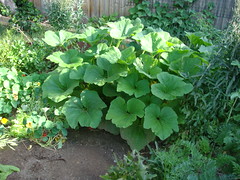
vegetable garden with squash plants
Organic vegetable garden with squash plants (Photo credit: louisa_catlover)
If you’ve had vegetable gardens in the past, but this is the first time you’ve tried organic gardening, you’ll rest assured knowing that you’re helping the planet as well as helping your own health by eating vegetables that aren’t laden with chemicals.

Organic vegetable gardening takes a little more planning and preparation than a conventional vegetable garden, but the rewards are enormous. Vegetables rich in vitamins and minerals and harvested at the exact moment they’re at their maximum potential will give you extra health benefits and self-satisfaction.

Even the exercise and fresh air you’ll get when preparing, planting and tending to your organic vegetable garden will be satisfying and fulfilling. Try organic vegetable gardening for an experience you’ll want to continue throughout your life.


Enhanced by Zemanta

Thursday, May 12, 2011

Why Organic Vegetable Gardening Is Important

Organic vegetable gardening is becoming the trend these days as more and more people are becoming conscious of what they are eating - and becoming aware that conventional farming methods involve the use of harmful chemicals which may enter our systems and cause a host of health problems and diseases.

Cover of "Organic Vegetable Gardening (Ti...Cover via AmazonWith organic farming, farmers don't plant crops using genetic engineering, irradiation and sewage sludge. Instead, they rely on things like crop rotation, organic fertilizers, and the use of mulch and compost.

Crop rotation is the practice of planting a different crop in the same area another crop once occupied. This keeps the soil’s nutrients fertile so it can be used again in the following season, and helps reduce pests and diseases which tend to inflict one specific crop.

But one of the main reasons why organic vegetable gardening is so important is the fact that the crops harvested typically have 50% more nutrients and vitamins compared to that of conventional farming methods. This helps improve health immensely, and prevent a number of health problems.

You can buy organically grown vegetables from the supermarket. The sad part is the almost everywhere you go, although the packaging comes from Department of Health, Quality Assurance International, California Certified Organic Farmers or the Oregon Tilth Farm Verified Organic, many of these are only 50% to 70% organic.

This is why homeowners who want to eat 100% organic vegetables are encouraged to grow them themselves - this way you know exactly what you are getting, without having to rely on a label to tell you the truth.

You can plant your garden from seed, buy little starts (seedlings), or buy larger plants and stick them right in the ground (however, if buying plants or seedlings, these may or may not have been treated with pesticides or other chemicals already, so be wary of this). Regardless of the start method you choose, you will need to prepare the soil, use compost and mulch, and make sure that the plants are safe from threats such as insects, weeds and other animals that will eat what you have planted.

VegetablesImage via WikipediaYou can fight these threats with other animals, insects, organic fertilizers, deodorant soap, or other natural methods. (For more info on these, keep an eye on this blog, and also visit http://www.newholisticliving.com/sustainablegardening.html for some great resources.)

For those who don’t have a big garden, they can try growing organic vegetables in containers. These will require more water than those planted in the soil so be sure to water frequently.

There is no doubt that organic vegetables and other organic products are important to our health these days. If you value your health you will want to investigate organically grown food as well as other organic items, and growing your own garden is a great way to take control of your health and what you eat.

And for those who decide to buy organically grown vegetables, remember to wash before cooking them - even if they are organic, you still need to make sure they are clean - not to mention reducing chemical residues which may have been transferred from non-organic vegetables during storage and transport.
Enhanced by Zemanta

Organic Gardening Resources: